Polish Rods and Couplings

Polish rods and couplings — Engineered for Oilfield Production

Tri‑Alta manufactures API polish rods and rod couplings designed to support reliable load transfer and wear resistance in rod lift applications. Products are manufactured with attention to material integrity, dimensional accuracy, and surface condition to ensure consistent performance in the field.

Materials and Metallurgy

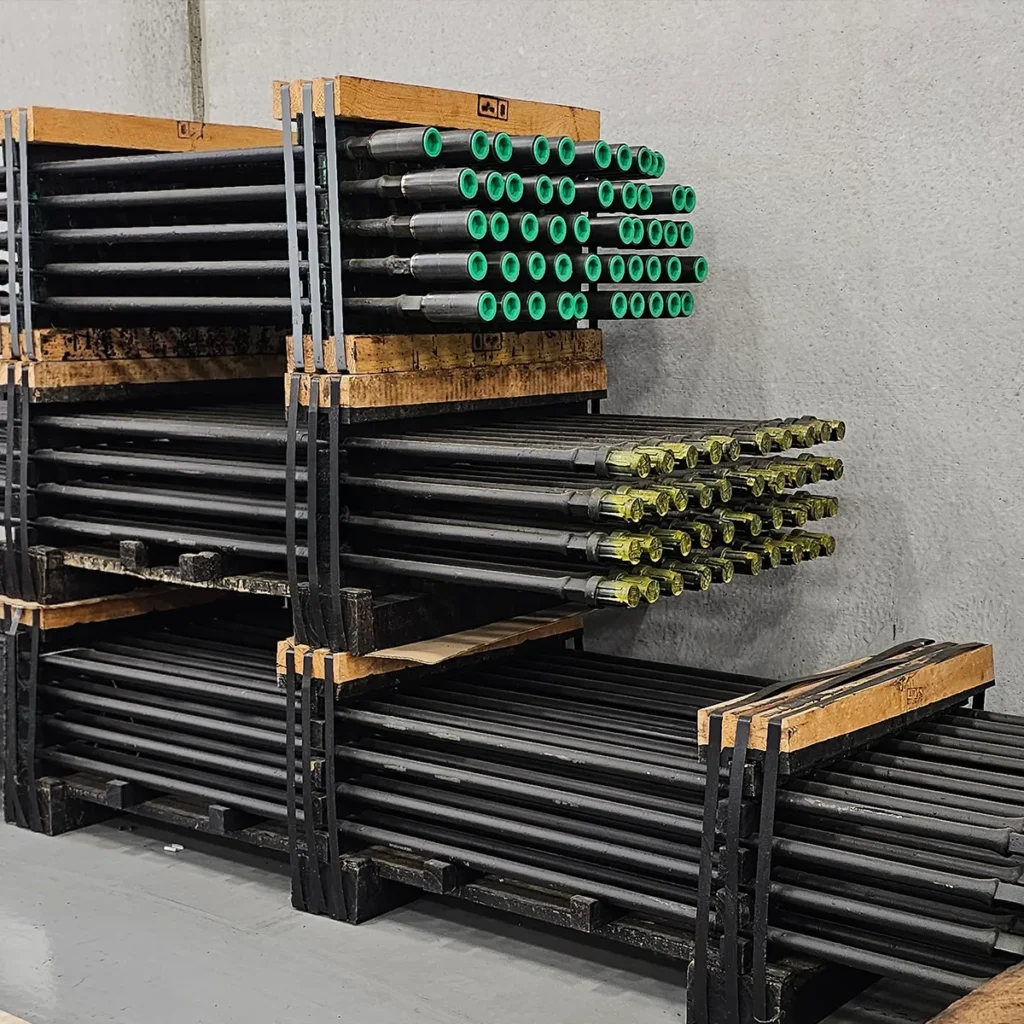
Polish rods and couplings are manufactured using controlled metallurgy selected for the intended operating conditions. Available material grades support applications ranging from standard service to corrosive and high-load environments. Material selection and processing align with API requirements and field performance expectations.

Sucker rod pumps and rods — Tri-Alta Oilfield Industries
Polish Rods and Couplings 1

Rod Couplings

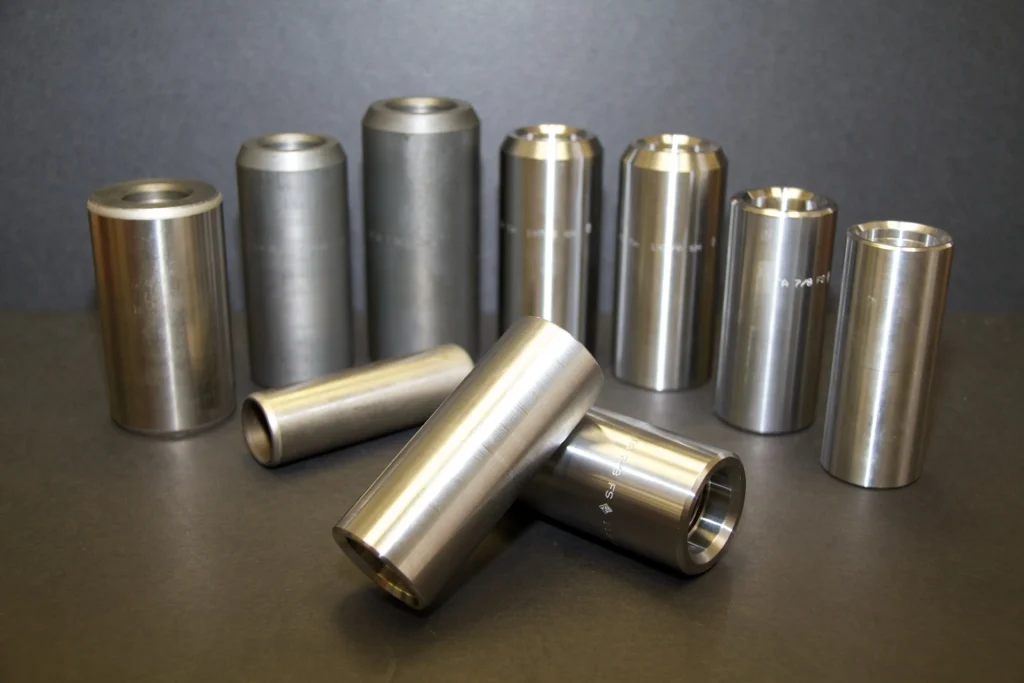
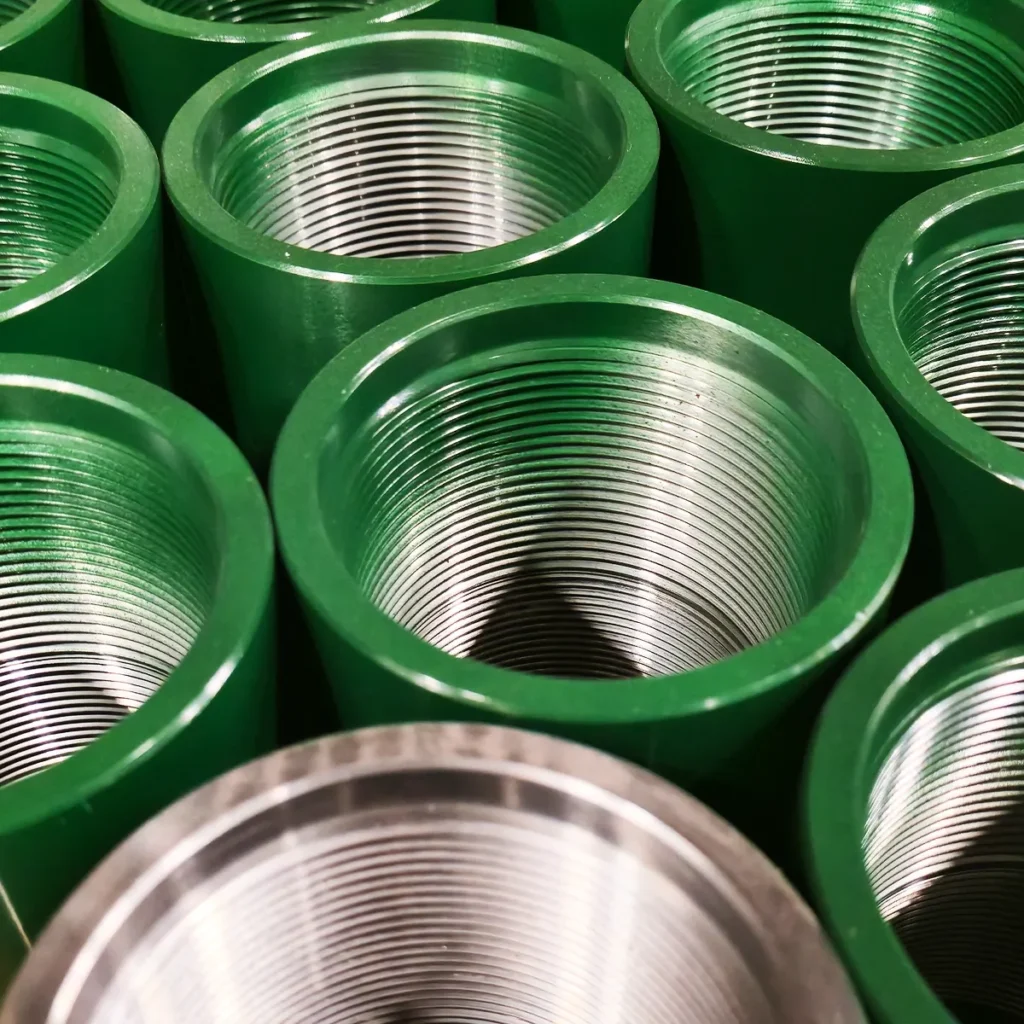
Tri‑Alta rod couplings are manufactured to API specifications to support secure connection and load transfer within the rod string. Dimensional control and surface treatment support consistent make-up and reliable performance, while maintaining compatibility with existing rod systems.

Wear Resistance and Service Life

Surface finish and material selection are key factors in managing wear. Tri‑Alta polish rods and couplings are produced with attention to surface condition and treatment to reduce wear at stuffing boxes and connection points, supporting longer service intervals and reduced maintenance.

API Compatibility and Interchangeability

Products are manufactured to API standards to ensure compatibility with existing field equipment. This supports interchangeability within established rod lift systems and simplifies maintenance and replacement planning.

Rod pump couplings and thread protectors — Tri-Alta Oilfield Industries

Product Support

Tri‑Alta provides support for pump selection and configuration based on well conditions, production characteristics, and operating requirements. Work is carried out with operators and service providers to ensure equipment aligns with field conditions and performance expectations.